The Future of Broadcast Production: How AI is Transforming Live TV
Discover how artificial intelligence is revolutionizing the way we produce live television, from automated cue timing to intelligent content suggestions.
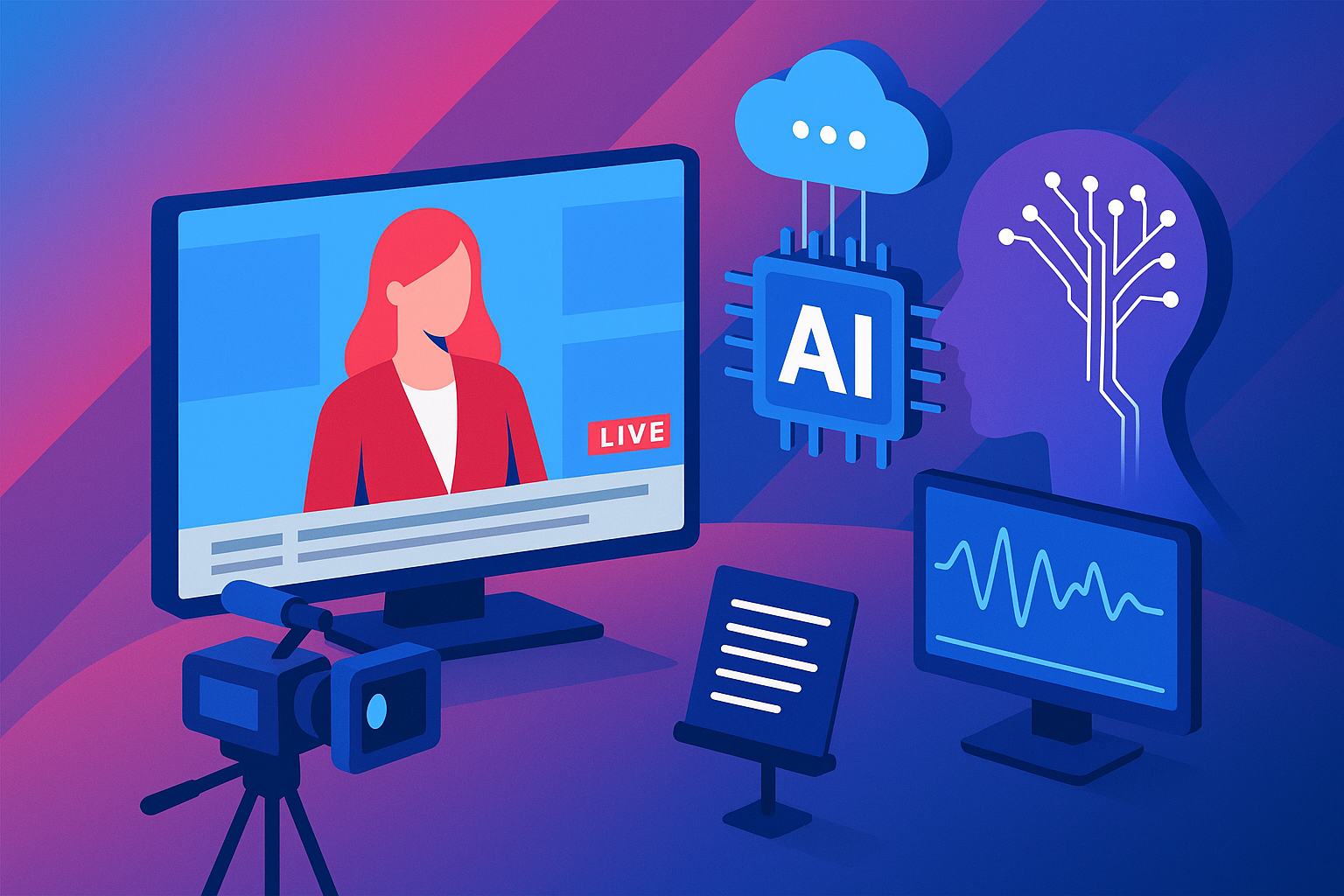
The Dawn of AI-Powered Broadcasting
Artificial intelligence is revolutionizing every aspect of broadcast production, from pre-production planning to live on-air delivery. As we move into 2025, AI technologies are becoming essential tools for production teams looking to streamline workflows, enhance quality, and reduce costs.
Automated Camera Control
One of the most visible changes in modern studios is the implementation of AI-driven camera systems. These intelligent cameras can automatically track speakers, adjust framing, and even predict when to cut to different angles based on the content being discussed.
- Facial recognition tracking - Cameras automatically follow speakers as they move
- Predictive switching - AI anticipates optimal cut points in conversations
- Dynamic framing - Automatic adjustment of shots based on the number of people in frame
Real-Time Graphics and Lower Thirds
AI-powered graphics systems can now generate and update lower thirds, statistics, and visual elements in real-time without human intervention. This technology is particularly valuable for sports broadcasts and breaking news coverage.
Streamlining Pre-Production
The planning phase of broadcast production has been transformed by AI tools that can analyze scripts, suggest camera angles, and even generate preliminary rundowns based on content requirements.
Script Analysis and Rundown Generation
Advanced natural language processing allows AI systems to read through scripts and automatically:
- Identify key moments that require specific camera coverage
- Suggest optimal segment timing
- Flag potential technical requirements
- Generate initial rundown structures
Quality Control and Monitoring
AI systems excel at monitoring broadcast quality in real-time, catching issues that human operators might miss during fast-paced live productions.
Automated Audio Leveling
Modern AI audio processors can maintain consistent levels across different speakers, automatically adjust for room acoustics, and even reduce background noise without affecting speech clarity.
The Future Landscape
As we look ahead, several emerging trends will shape the next generation of AI-powered broadcast production:
Predictive Analytics
AI will soon be able to predict viewer engagement patterns and suggest content modifications in real-time, helping producers optimize their shows for maximum audience retention.
Voice-Activated Production Control
Natural language interfaces will allow directors to control complex production systems using simple voice commands, making live production more intuitive and efficient.
Implementing AI in Your Workflow
For production teams ready to embrace AI technology, the key is starting with simple implementations and gradually building more sophisticated systems. Begin with automated camera tracking or AI-powered audio processing before moving to more complex predictive systems.
The future of broadcast production is undoubtedly intertwined with artificial intelligence. Teams that embrace these technologies now will be better positioned to create compelling content efficiently and cost-effectively in the years to come.
Ready to Streamline Your Production?
Get your first show organized in minutes. Create your free Cuer account today.